OPGW Manufacturer
OPGW Optical Ground Wire
The Future of OPGW in India: Unlocking Opportunities in Power Transmission and Connectivity

Optical Ground Wire (OPGW) is a critical component in modern transmission infrastructure, combining the dual benefits of grounding and reliable communication. As the backbone of power and data networks, OPGW plays a pivotal role in enabling efficient electricity distribution and high-speed data connectivity, making it indispensable for India’s rapidly expanding infrastructure needs.

The global OPGW market is currently valued at US$ 578.4 million (2024) and is projected to grow at a CAGR of 4.8% between 2024 and 2032, driven by advancements in communication technology and increasing demand for robust transmission networks.

Send Inquiry

Opportunities in India

India’s focus on building a reliable and advanced power transmission infrastructure presents significant opportunities for the OPGW market. Several government initiatives are driving this growth:

  • Reliable Communication Scheme (Notification 13-5-2020 by MOP):
    1. POWERGRID has prepared Detailed Project Reports (DPRs) for a Reliable Communication Scheme across Northern, Southern, Eastern, Western, and Northeastern regions.
    2. This initiative covers 1,09,313 kilometers of OPGW installations in the central sector and an additional 1.18 lakh kilometers for state transmission networks.
  • Transmission Infrastructure Investments:
    1. The government’s roadmap to invest ₹2.44 trillion in transmission infrastructure by 2030 provides unprecedented visibility for private sector players, paving the way for collaborative efforts in OPGW installations.

Market Drivers

  • R&D in Electricity Distribution Networks:

    As India upgrades its electricity distribution systems, the need for reliable communication networks embedded within power transmission lines is critical. OPGW enables seamless data transfer, monitoring, and control of power systems, contributing to the grid’s stability and efficiency.

  • Surge in Demand for High-Speed Internet Services:

    With India witnessing exponential growth in high-speed internet adoption, particularly in remote and underserved regions, OPGW serves as an essential medium for integrating robust data networks within power infrastructure.

Advantages of OPGW

  • Dual Functionality:

    Provides both grounding for the transmission network and reliable optical communication.

  • Durability and Reliability:

    Designed to withstand harsh environmental conditions while maintaining uninterrupted communication.

  • Scalability:

    Ideal for integrating with existing power infrastructure to enhance communication capabilities.

  • Cost-Efficiency:

    Reduces the need for separate infrastructure for communication, combining power transmission and data networking.

Future Outlook

The OPGW market in India is poised for robust growth, driven by the government’s commitment to modernizing power transmission and expanding high-speed internet connectivity. The roadmap for transmission infrastructure investments and initiatives like the Reliable Communication Scheme provide a clear pathway for OPGW adoption at scale.

Advait Energy Transitions Limited (AETL), a leader in power transmission and telecom solutions, is at the forefront of this transformation. By leveraging its expertise in OPGW manufacturing and installation, AETL is well-positioned to capitalize on the emerging opportunities in the market.

With India’s increasing focus on smart grids, renewable energy integration, and digital infrastructure, OPGW will remain a cornerstone in bridging the gap between power and communication networks. As the demand for advanced, scalable solutions continues to grow, Advait’s commitment to innovation and quality ensures its leadership in shaping the future of OPGW in India.

Send Inquiry

Understanding OPGW Optical Ground Wire and Why It Matters

When most people first hear about OPGW optical ground wire, it sounds like technical jargon that only engineers care about. The truth is simpler than that though. OPGW optical ground wire is one of those innovations that makes complete sense once you understand what it does.

What OPGW Optical Ground Wire Actually Is?

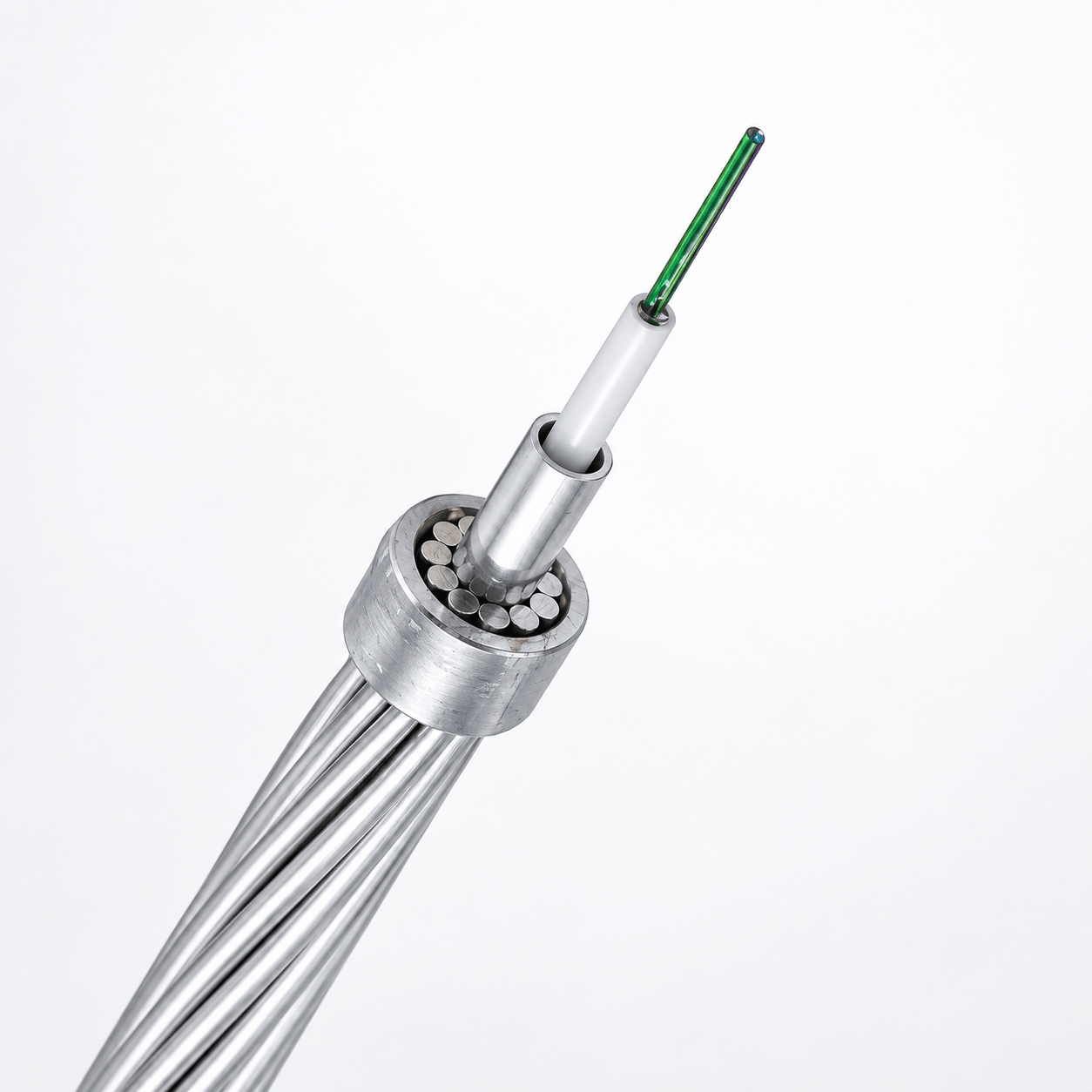
Here’s what OPGW optical ground wire is all about. Those wires sitting on top of power lines have been there for over a century, protecting the lines from lightning strikes and electrical faults. That’s been their only job. But OPGW optical ground wire changes the game completely. It’s the same protective ground wire, except it has Fiber optic cables running through it. One cable now does two critical jobs at once – protecting the power system AND transmitting high-speed data. No extra infrastructure, no additional towers cluttering the landscape. Just one intelligent wire doing double duty.

This matters more now than ever before. India’s power grid is transforming. Solar farms and wind turbines are spreading everywhere, and the challenge with renewable energy is that it’s unpredictable. Managing variable power requires real-time information flowing through the entire network constantly. At the same time, rural areas are finally getting access to high-speed internet. These two needs converge perfectly with OPGW optical ground wire. It solves both problems simultaneously.

Why OPGW Optical Ground Wire is Critical for India's Future?

The government is backing this evolution with serious investment. The Reliable Communication Scheme represents a massive commitment to OPGW optical ground wire deployment across the country. Over 200,000 kilometres of OPGW optical ground wire installations are being planned and executed right now in different states and regions. This isn’t theoretical planning – it’s active infrastructure development happening on the ground today.

The real-world applications prove the value. Teams installing OPGW optical ground wire in challenging locations – high mountains, dense urban areas, remote villages – consistently see the same reliable performance. The communication stays strong, the grounding functions perfectly, and resources are used efficiently without waste or unnecessary complexity.

What makes OPGW optical ground wire genuinely valuable is its practicality. It addresses actual challenges that utilities face every single day. Better grid stability. Faster data transmission. Reduced infrastructure footprint. These aren’t marketing promises – they’re tangible benefits that drive India’s transmission infrastructure forward. OPGW optical ground wire represents smart engineering that delivers real, measurable results for the nation’s energy future.

FAQs for Optical Ground Wire (OPGW)

Okay, so OPGW is basically this wire that sits on top of transmission towers. It does two jobs at once, which is why utilities love it. First, it’s your ground wire – protects everything below from lightning strikes. You know how lightning always takes the easiest path to ground? OPGW’s up there at the top, so the lightning hits it first instead of your actual power conductors. The second job is the fiber optic part. Inside that cable, you’ve got fiber optics that can carry data. So utilities get both lightning protection and a super-fast communication backbone running along their power lines. Instead of stringing separate cables, they get both in one. Pretty clever honestly.

Here’s what actually happens when lightning strikes. OPGW’s positioned at the very top of the tower above all the power lines. Lightning wants to go to ground, and OPGW’s in the way, so it takes it. The current flows down through that aluminum-clad steel outer layer to the tower’s grounding system. And here’s the important part of those outer aluminum and steel layers are specifically engineered to handle massive amounts of current without damaging the fiber optics sitting inside. It’s like having a bodyguard who takes the hits while protecting the VIP inside. The whole thing’s been tested to handle some seriously crazy fault currents without the fibers even noticing.

OPGW lives in the high-voltage world. You’re looking at 110 kV and up – so we’re talking 220 kV, 400 kV, the really big transmission lines. That’s where utilities see enough value in having fiber capacity to justify OPGW. For distribution lines and lower voltages, there are cheaper options that work just fine. OPGW’s the premium play for major transmission corridors.

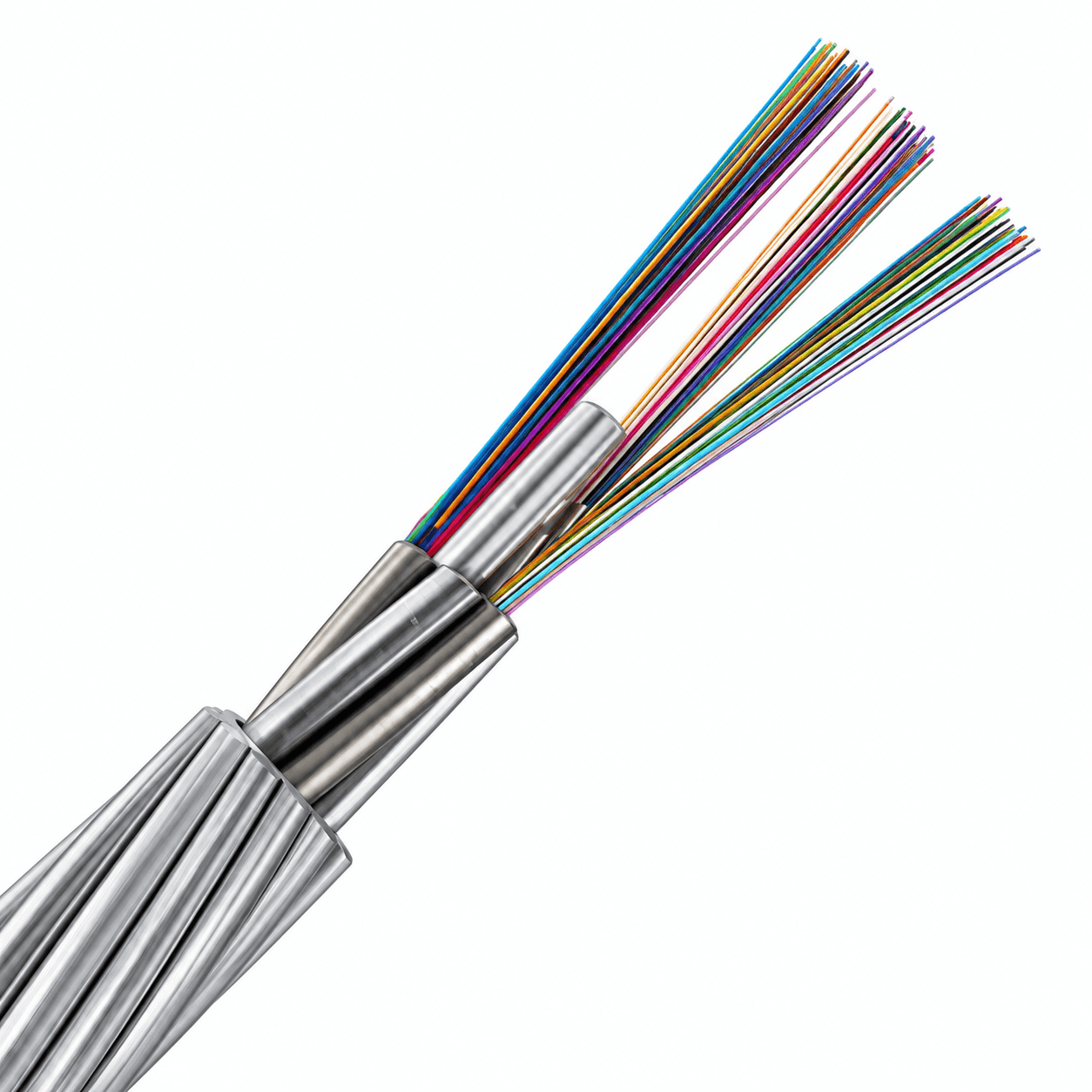
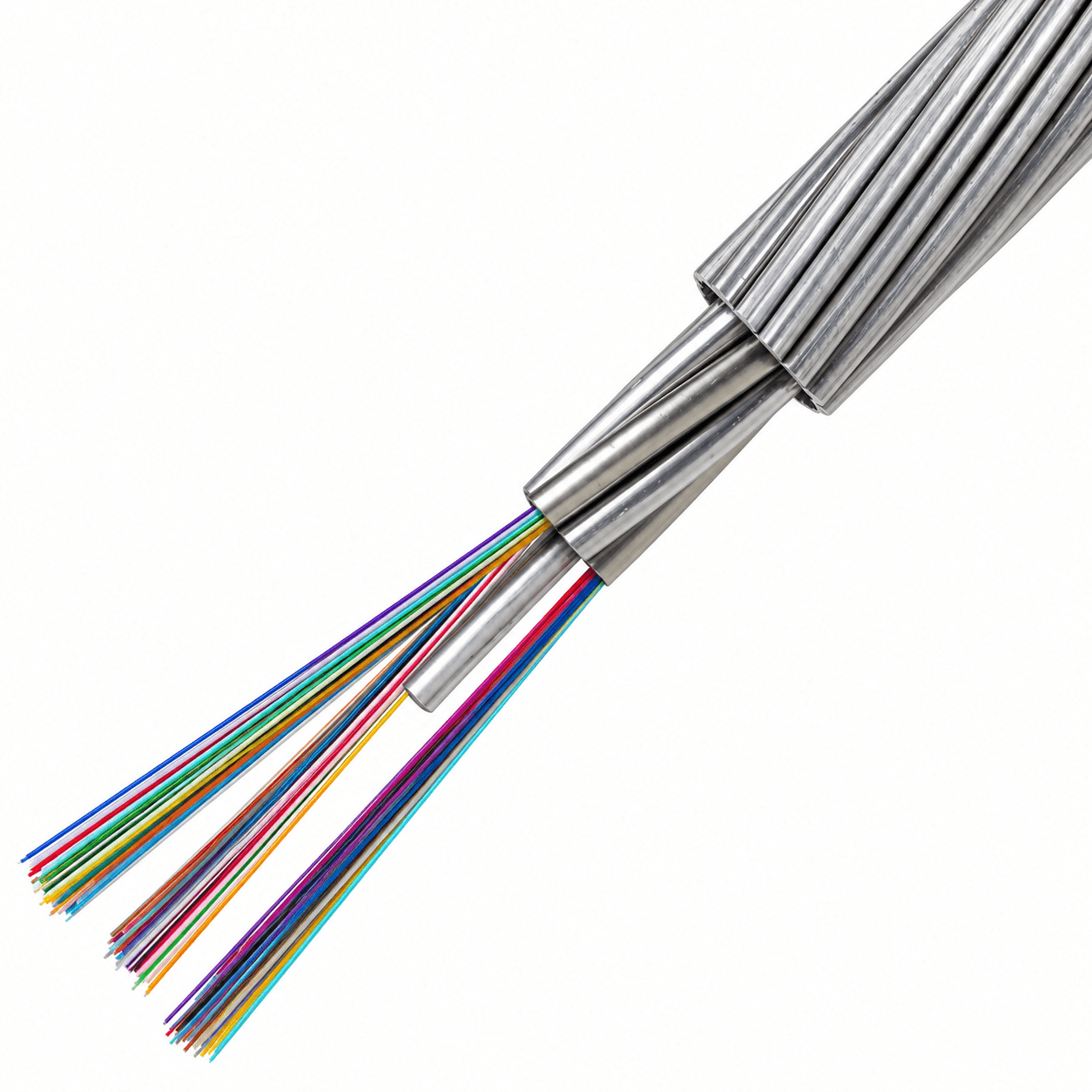
It varies quite a bit. You can get OPGW with 6 fibers on the small end, going all the way up to 144 on the high end. But in India? Most utilities we work with want somewhere between 24 and 72 fibers. That’s plenty. It gives them room for their SCADA system, their protection relays, teleprotection stuff, and they can even lease out extra capacity to telecom companies. Win-win situation of utilities fund part of the infrastructure cost by selling bandwidth.

Yeah, you can and this is actually huge. If there’s already a ground wire on the tower, we can string OPGW while the line’s still carrying power. No shutdowns. No calling in emergency permits. No dealing with all the red tape that comes with taking a major transmission line offline. Do you have any idea how expensive it is to shut down a transmission corridor for a day? We’re talking massive financial hits for utilities. Being able to do this live-line is a massive advantage. It’s one of the things that separates contractors who actually know what they’re doing from the rest.

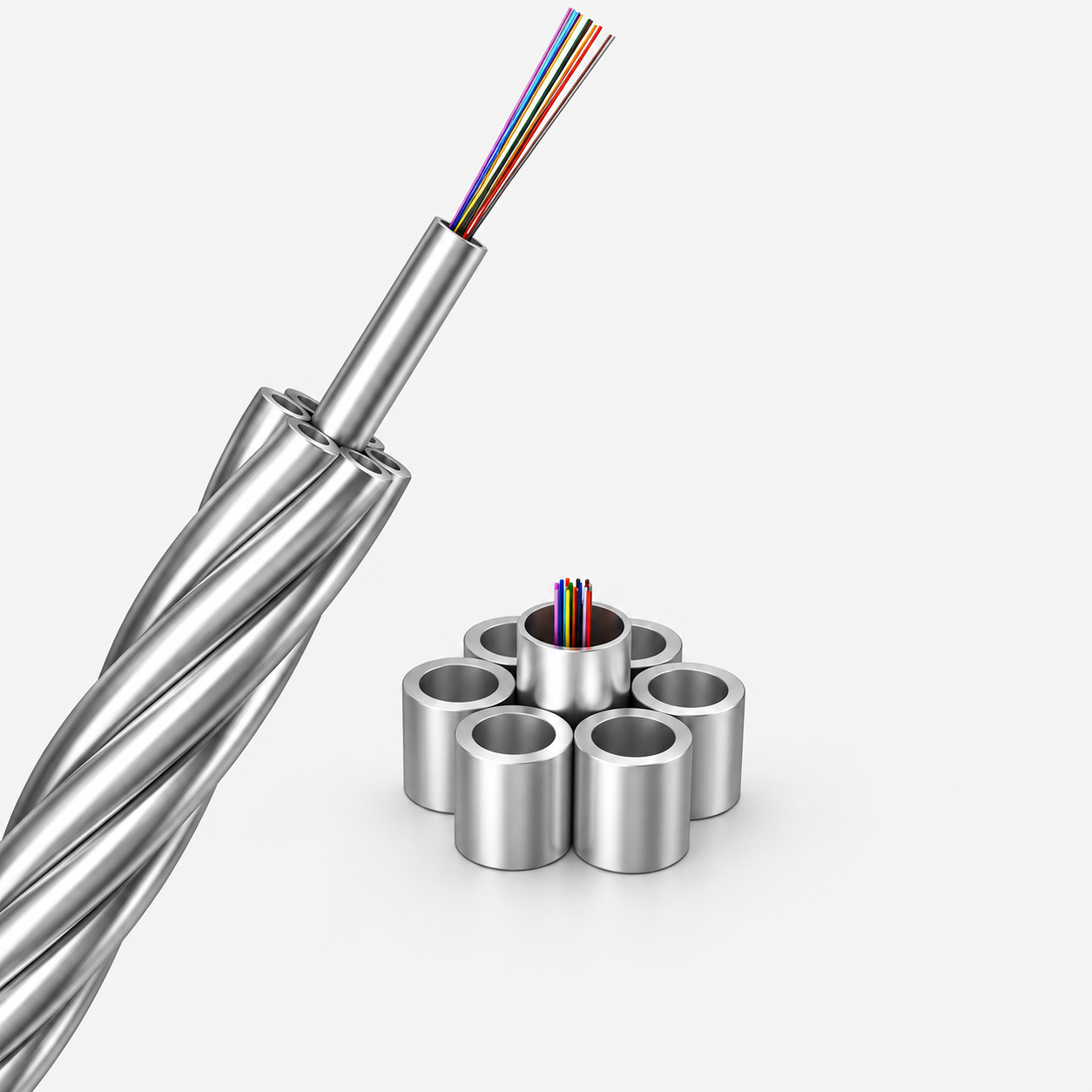
There’s three main approaches. First, you’ve got the Stainless Steel Tube design, all the fibers sit inside a stainless steel tube at the center. It’s simple, bulletproof, and great for smaller fiber counts. Second is Aluminium-Clad PBT Tube – uses a plastic tube with aluminum cladding instead. Lighter than the SST, but less robust for really harsh conditions. Then there’s the hybrid – Aluminum-Clad with Stainless Steel Tube inside. That one’s your heavy-duty option when you need maximum fault current handling. We usually recommend based on the specific environment and what kind of failures you’re worried about.