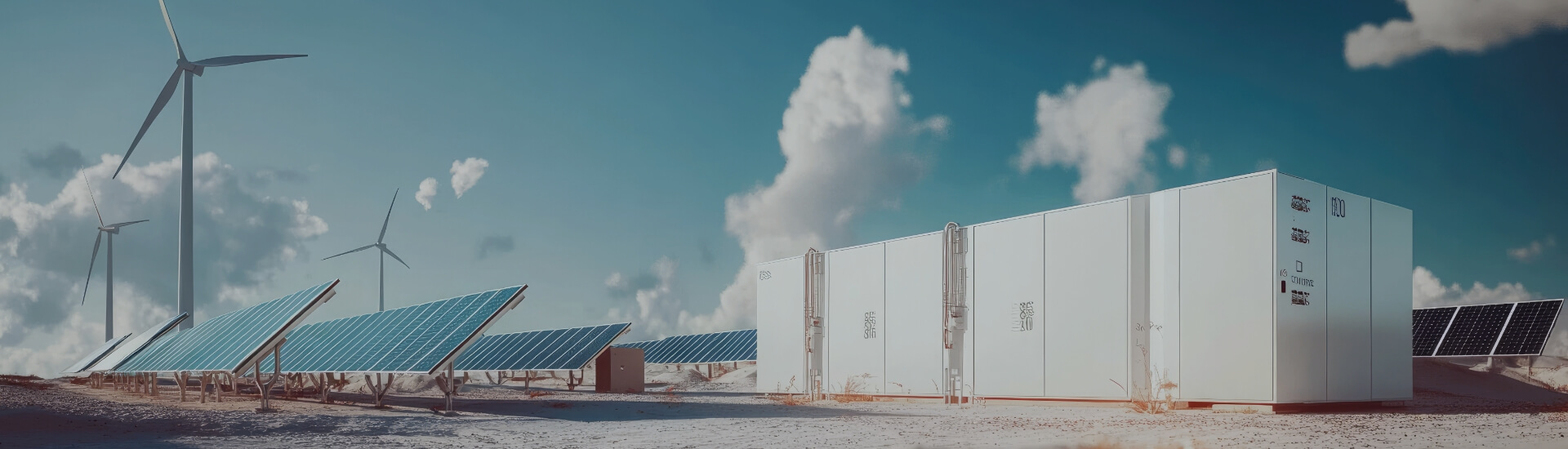
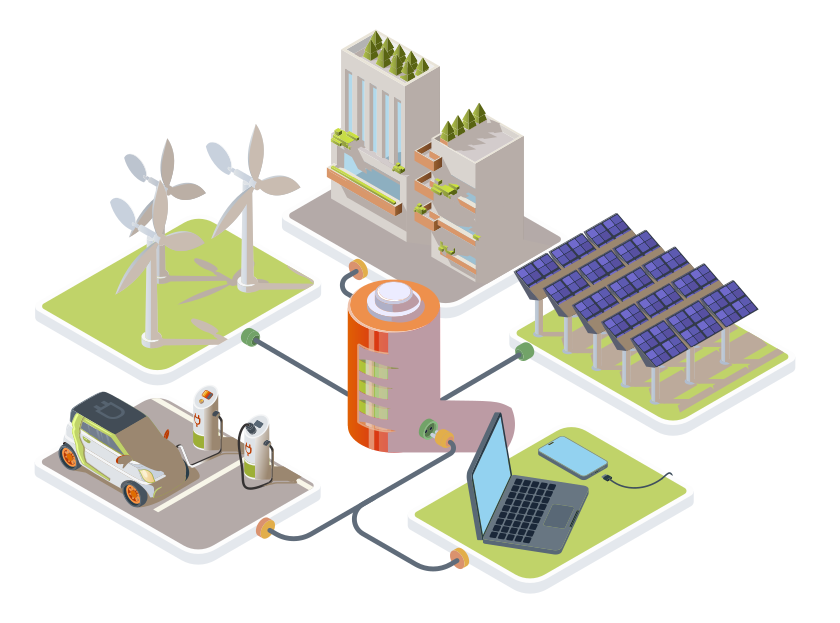
Why Battery Energy Storage System is Essential for Modern Power Infrastructure
The Problem Nobody’s Solving
Solar installations in India crossed 70 GW last year. But here’s what nobody mentions: most of these facilities have zero storage attached. That’s the real problem.
A solar panel generates peak power at noon when prices are ₹2-3 per unit. By evening when electricity costs ₹10-12 per unit, the panel’s completely offline. This mismatch costs massive money. That’s where a battery energy storage system changes everything.
It’s simple: store that noon power. Use it at 6 PM. A 5 MW solar facility without storage runs 6-7 hours daily with variable output. With a battery energy storage system, the same facility becomes a dispatchable 4-hour power plant. Revenue jumps 40-50%. That’s not optimization. That’s a fundamental business model change.
Companies across India are building battery energy storage system capacity right now because the economics are undeniable. They’re making real money.
Grid Scale Energy Storage EPC India: Why Scale Matters
Grid scale energy storage EPC India isn’t just a bigger home battery. It’s an entirely different engineering challenge.
A home backup battery stores 15 kWh. A grid scale energy storage EPC India system stores 200,000+ kWh. You’re stabilizing power for entire regions, not one house.
When utilities add 500 MW of solar to their grid, the system destabilizes immediately. At noon: 500 MW floods in suddenly. At sunset: zero output instantly. The grid can’t handle this. Frequency drops. Voltage sags. Protection systems fail. Blackouts cascade.
Grid scale energy storage EPC India infrastructure solves this by smoothing generation. It charges during peaks. Discharges during troughs. The grid sees stable power flow instead of wild swings. Thermal plants run steadily. No emergency ramps. No frequency violations.
Utilities save money too. Thermal efficiency improves. Frequency regulation costs disappear. Over a year, that’s substantial savings.
This grid scale energy storage EPC India solution is operating right now across Gujarat, Rajasthan, and Maharashtra.
BESS Developer EPC India: Selection Determines Success
Most companies fail here. They choose BESS developer EPC India providers based on price. Cheapest quote wins. Then they’re shocked when performance drops after 18 months.
Why? Battery Energy Storage System deployment requires understanding three complex areas.
First: your specific use case. Are you smoothing renewable output? Cutting industrial peak charges? Providing grid frequency support? Each requires different design.
Second: technical integration. How does your system communicate with grid operators? What happens when grid frequency spikes during discharge?
Third: long-term performance. Batteries degrade. Temperature affects efficiency. You need 15-20 years of reliable operation.
A BESS developer EPC India that understands the field starts by actually understanding your problem. Not assuming. They examine your load patterns. Your renewable generation curves. Your grid connection point. Then they design a solution specifically for you.
Integration separates exceptional BESS developer EPC India providers from average ones. Average ones install equipment and disappear. Good ones spend weeks coordinating with grid operators, control rooms, protection schemes. They run simulations. They plan for failure scenarios.
What Actually Works
Real projects demonstrate this clearly.
A 100 MW solar developer was frustrated. Noon peak generation meant lowest prices. We added a 50 MWh battery energy storage system. The facility charged at ₹2.50/unit midday. Discharged at ₹8-10/unit during evening peak. Annual revenue jumped ₹8+ crore. The system paid for itself in 20 months.
An industrial facility faced different problems. High peak demand charges were devastating their budget. We installed a battery energy storage system that charged during off-peak hours at ₹4/unit, then discharged during expensive evening peak at ₹12/unit. Monthly savings: ₹18-20 lakh. For a facility spending ₹50+ lakh monthly on electricity, this was transformational.
A state utility struggled with renewable integration chaos. Solar installations meant constant frequency swings. We deployed grid scale energy storage EPC India infrastructure. Frequency stability improved from ±0.5 Hz to ±0.1 Hz. Blackout frequency dropped 60%. Grid operators eliminated emergency thermal ramps.
The Reality
India needs 100+ GW of battery energy storage system capacity by 2030. Currently: 2-3 GW.
The question isn’t whether you need battery energy storage system technology. It’s when you’ll deploy it and whether you’ll partner with a BESS developer EPC India provider who genuinely understands the complexity.
Grid scale energy storage EPC India solutions are proven. Battery energy storage system technology works. Economics are clear. Execution is what separates winners from those left behind.