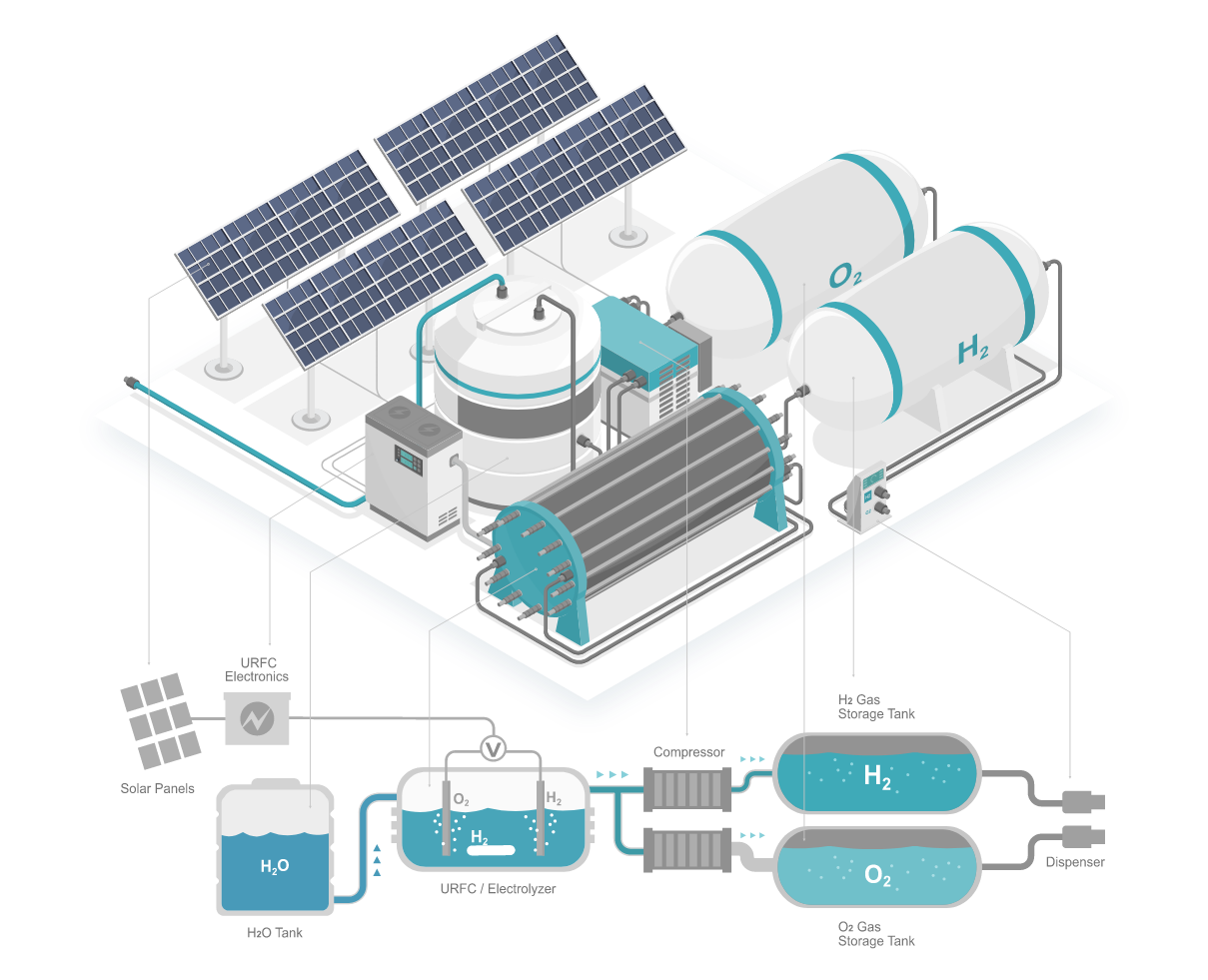
Our Hydrogen Generation Systems integrate cutting-edge Alkaline Water Electrolysis (AWE) and Proton Exchange Membrane (PEM) technologies, delivering unmatched efficiency and reliability. Complemented by high-performance Gas-Liquid Separators, Purification Systems, and auxiliary units, these systems are designed to meet diverse hydrogen production needs. From single-stack systems producing up to 1000 Nm³/h to modular configurations capable of scaling up to 100 MW, our solutions enable seamless integration with renewable energy sources for a sustainable future.
Send Inquiry
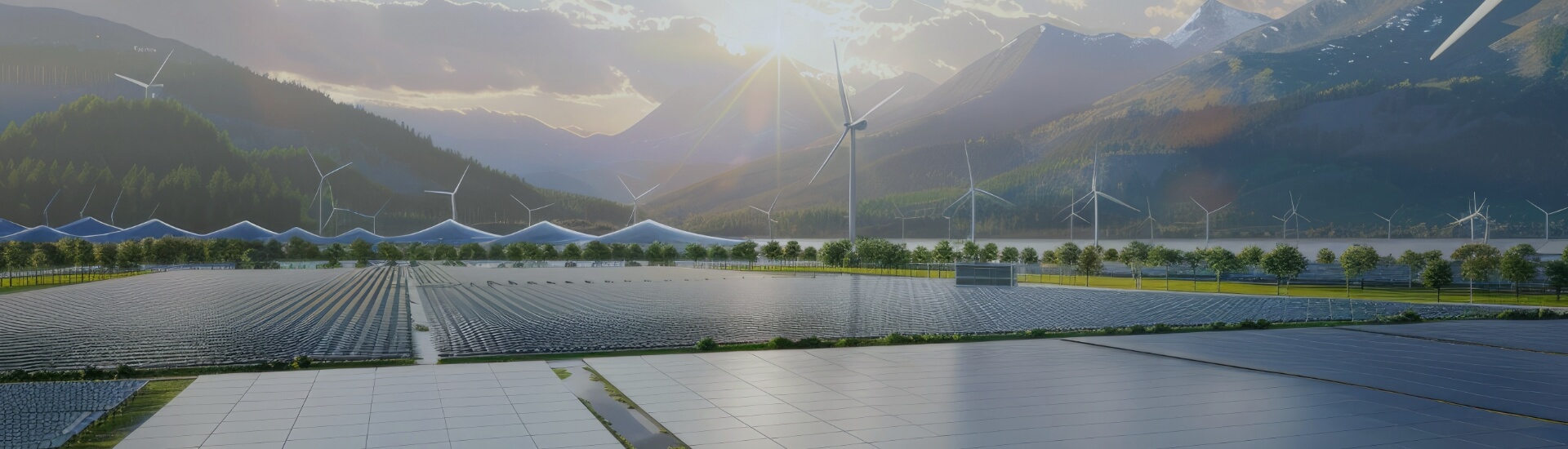
Optimized for integration with wind, solar, and other green power sources, enabling sustainable and renewable energy-driven hydrogen generation.
Equipped with advanced high-activity, high-stability electrodes to ensure superior operational efficiency and durability.
Utilizes low-resistance membranes with exceptional airtightness, maximizing system performance and reliability.
Incorporates PTFE-modified sealing gaskets, enhancing longevity and reducing maintenance requirements.
Leveraging Computational Fluid Dynamics (CFD) simulations for precise optimization of gas and liquid flow, ensuring consistent and efficient operations.
Engineered to meet and exceed the advanced operational standards required for India’s clean energy transition, providing scalable and efficient solutions for green hydrogen production.
By combining innovative technology with robust design, our Hydrogen Generation Systems empower industries to scale hydrogen production efficiently, paving the way for a cleaner, greener energy future.
| Capacity in MW | 10MW | 25MW | 100 MW |
|---|---|---|---|
| H2 Production Rate | 2000Nm3/hr | 5000Nm3/hr | 20000Nm3/hr |
| O2 Production Rate | 1000Nm3/hr | 2500Nm3/hr | 10000Nm3/hr |
| Nominal Pressure | 1.6MPa | 1.6MPa | 1.6MPa |
| H2 Purity | 99.999% | ||
| Water Consumption | 1 kg/Nm3 | ||
| Power Consumption | 4.1 to 4.3 kW/Nm3 | ||
It’s the complete facility. Not just the electrolyser, but everything required to produce hydrogen at scale. Electrolyser stack, power conditioning equipment converting AC to DC, water purification systems, gas separation and drying modules, compression equipment for storage or transport, SCADA control software. It’s like comparing an engine to a complete vehicle. The system is what actually functions on a project site and produces hydrogen.
A standalone electrolyser is one component—the water-splitting vessel. A hydrogen generation system includes that electrolyser plus all the upstream and downstream infrastructure. It’s the difference between a car engine and a functioning automobile.
The big ones under India’s National Green Hydrogen Mission are fertilizer and ammonia plants—currently importing hydrogen, transitioning to green. Petroleum refineries doing desulphurization and hydrocracking. Steel plants implementing direct reduced iron. City gas distribution companies blending hydrogen into natural gas networks. Hydrogen refueling stations. Each has substantial hydrogen demand.
Built on modular electrolyser units—250 kW to 5 MW per unit—that deploy in parallel. Projects can start with initial capacity and expand as offtake contracts are signed and financing develops. Control system manages multiple units as single integrated facility. That modularity matters for phased project deployment when you’re uncertain about demand timelines.
99.999 percent purity (5N grade) after catalytic deoxidation and drying. Pharmaceutical-grade hydrogen that meets fuel cell vehicles, industrial processes requiring high-purity hydrogen, and distribution via tube trailers.